LESSON OVERVIEW
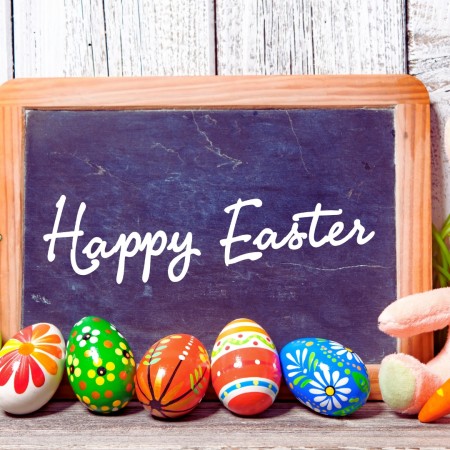
Happy Easter to everyone! In this cheerful and engaging lesson, elementary and intermediate adult and teenage students will learn about Easter traditions,symbols, and spring celebrations from around the world. The lesson features a short and easy-to-understand video that explains the history and meaning of Easter, along with how it is celebrated in different cultures today. Students will practice useful vocabulary related to the topic through clear, real-life examples. The lesson includes interactive tasks, vocabulary exercises, and fun discussion questions to help students improve their speaking and listening skills while learning about a popular international holiday.
LESSON OBJECTIVES
Listening: Students will watch a video about the story of Easter and its meaning. The speaker talks about Easter traditions, symbols like eggs and bunnies, and the cultural importance of the holiday. This listening task will help students better understand spoken English and learn new words and ideas about Easter.
Speaking: Students will take part in discussions about Easter celebrations, share their own traditions, and talk about spring festivals in their cultures. They will use new words and phrases from the lesson to express opinions and compare customs.
Vocabulary: Students will learn useful words related to Easter and spring, such as resurrection, fertility, tradition, symbol, celebrate, and renewal. They will practice using these words in speaking and writing tasks to build confidence and fluency.
Grammar: Students will review and practice forming sentences in the past simple and present perfect tenses, as commonly used when talking about past events and personal experiences related to holidays and traditions.
Cultural Awareness: Students will explore how Easter is celebrated in different countries and discuss the origins of popular symbols like Easter eggs and the Easter bunny. They will reflect on similar holidays in their own cultures and how people celebrate the arrival of spring.
Homework: Students will answer comprehension questions about the video to check their understanding of Easter traditions and symbols. They will complete a “Would you rather…” activity to express personal preferences about holiday customs, and describe pictures related to Easter using vocabulary from the lesson. These activities aim to strengthen vocabulary retention and improve both speaking and writing skills.
VIDEO
Spring into happiness! Have you ever participated in an egg hunt or eaten a chocolate bunny? Watch this video to learn about the history of Easter and its traditions and celebrations.
VIDEO TRANSCRIPT
Hello everyone and welcome to this video about Easter. Easter is a holiday that is celebrated all over the world, usually in the months of March or April. It’s a time when Christians commemorate the resurrection of Jesus Christ from the dead, three days after his crucifixion. The Easter story begins with the Last Supper, where Jesus and his disciples gathered to share a meal before his arrest. Jesus was then betrayed by one of his own disciples, Judas, and was arrested by the authorities. He was then tried, convicted, and sentenced to death by crucifixion. On the third day after his death, Jesus rose from the dead, an event that is celebrated as the resurrection of Jesus Christ. This event is considered to be the cornerstone of the Christian faith, and it is celebrated by Christians all over the world. One of the most popular symbols of Easter is the Easter egg. The egg is a symbol of new life and represents the resurrection of Jesus Christ. In many cultures, people decorate eggs with intricate designs and colors, and they are often used in Easter egg hunts. Another popular symbol of Easter is the Easter bunny. The bunny is a symbol of fertility and new life, and it is often associated with the spring season. Children often receive chocolate bunnies or stuffed animals as gifts during Easter. In addition to the Easter egg and the Easter bunny, there are many other traditions associated with Easter. For example, in many countries, people attend church services, and they may also participate in parades or other community events. In some countries, such as Greece, people light candles and hold processions in honor of the resurrection. Overall, Easter is a holiday that is celebrated by Christians all over the world. It is a time to remember the resurrection of Jesus Christ, and it is also a time to celebrate new life and new beginnings. Whether you celebrate Easter with family, friends, or your community, it is a time to come together and celebrate the joys of life.
VOCABULARY AND PRONUNCIATION
- don’t put all your eggs in one basket [idiom]: A caution against relying entirely on one plan or option, encouraging diversification to avoid risk.
- tradition [noun]: A custom or practice that is passed down through generations, often forming part of cultural or religious celebrations.
- symbol [noun]: Something that represents or signifies a deeper meaning, such as the Easter egg representing new life.
- resurrection [noun]: The act of coming back to life, specifically referring to the central Christian belief in Jesus Christ rising from the dead.
- fertility [noun]: The ability to produce life or growth, often associated with spring and symbolized by eggs in Easter traditions.
- egg hunt [noun]: A popular Easter activity where participants search for hidden eggs, often filled with candy or prizes.
- parade [noun]: A festive procession often held during holidays, featuring music, floats, and community celebrations.
- renewal [noun]: The process of making something new or fresh again, symbolized by spring and Easter’s themes of new beginnings.
- Easter [noun]: A Christian holiday celebrating the resurrection of Jesus Christ and associated with thees of renewal and new beginnings.